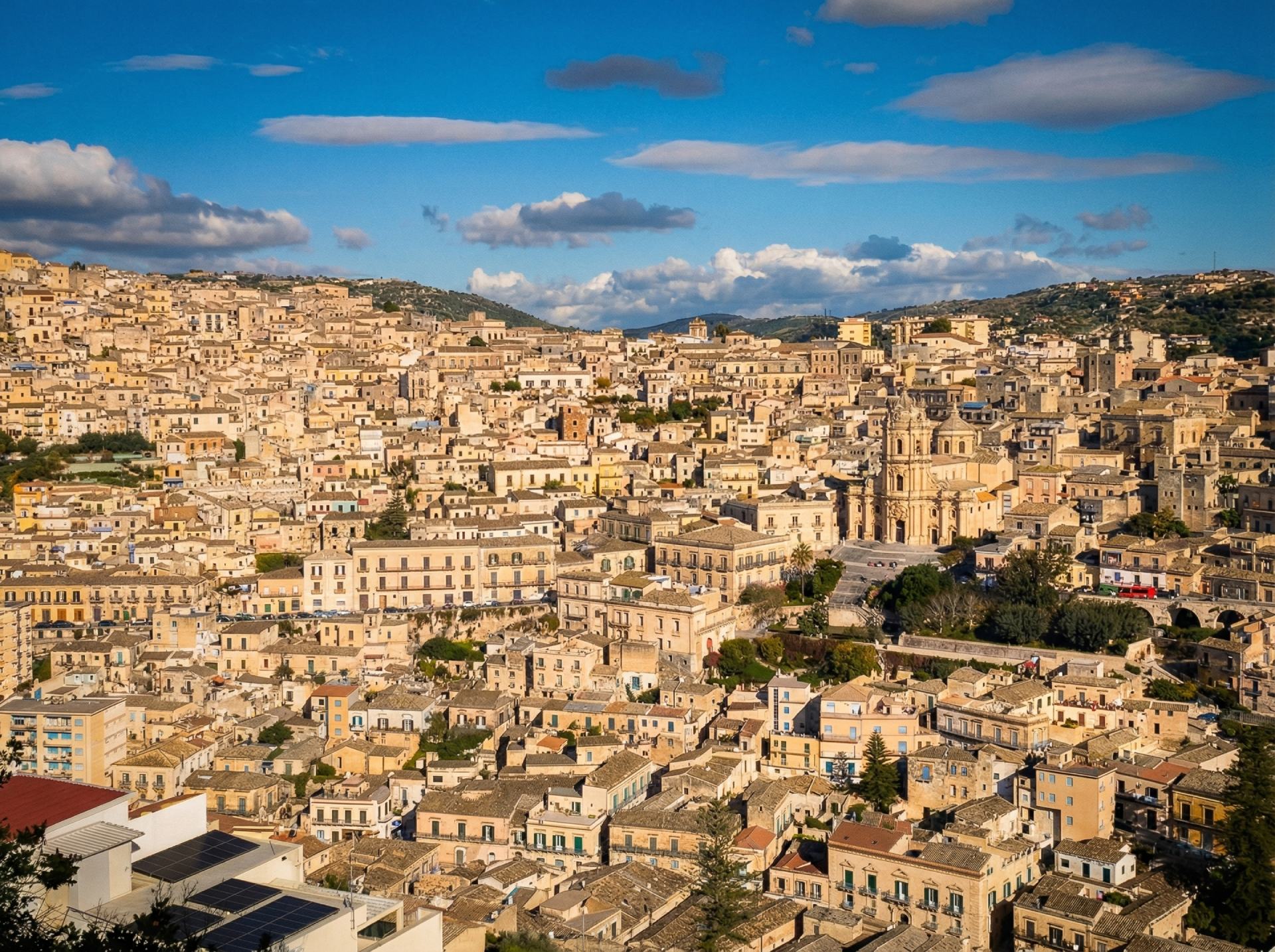
As the traveler departs from the softly rolling limestone hills of Noto and steers westward through the landscape of southeastern Sicily, the horizon offers a sudden and dramatic shift. Here, where ancient rivers once carved deep paths into wild canyons, Modica emerges from the depths—one of the most breathtaking jewels of the Val di Noto. This city is not merely a settlement; it is a monumental theatrical set carved into stone, where gravity and architectural ingenuity exist in a unique symbiosis. The first sight of Modica is visceral: houses cling to the steep cliffs, stacked atop one another in a near-vertical ascent, creating the visual verticality that makes this city globally unique.
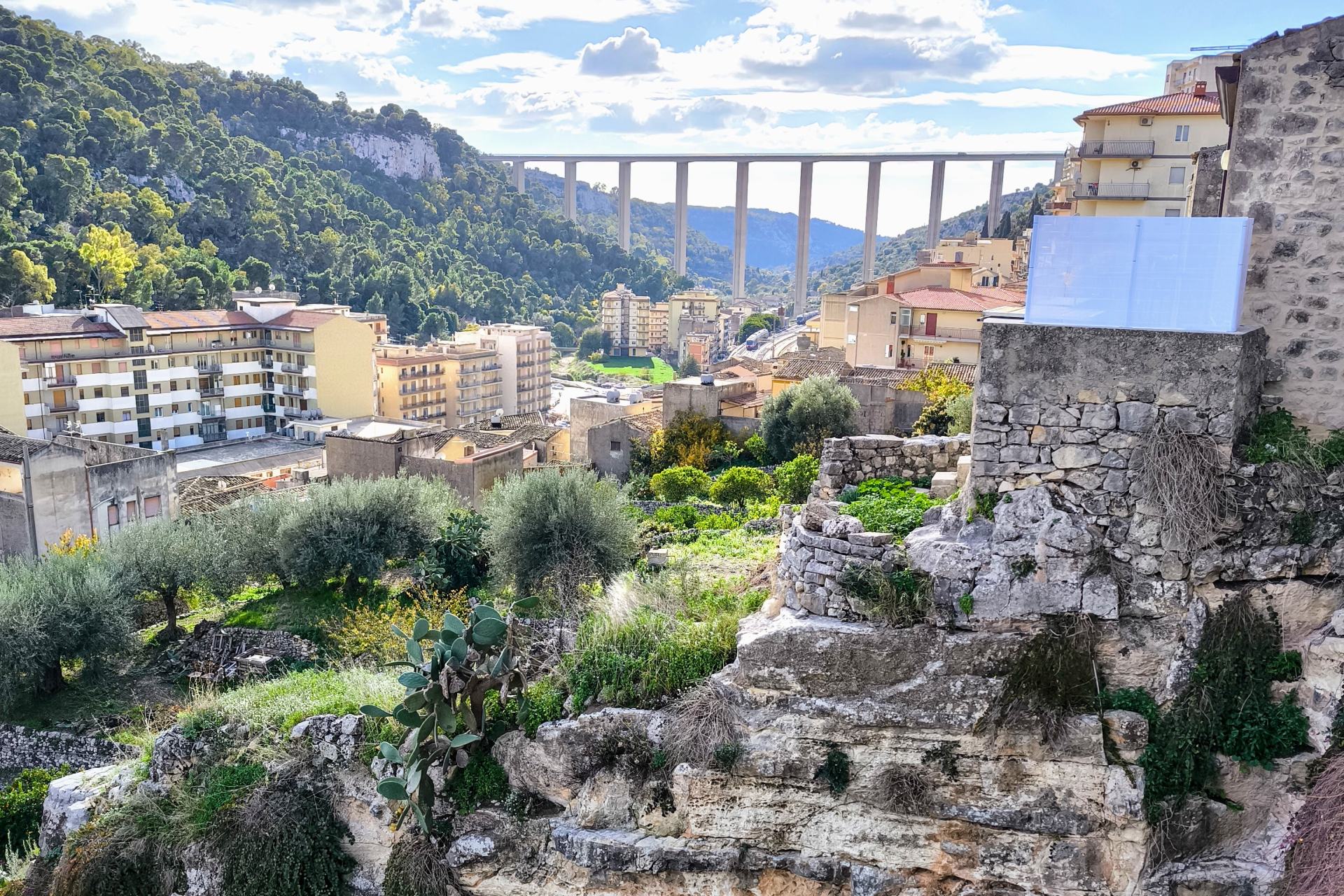
The history of the city is inextricably linked with the destiny of the Val di Noto, for which it served as a vital administrative and cultural hub for centuries. Modica once functioned as the capital of a vast County, possessing political weight that rivaled royal courts. However, the contemporary face of the city was definitively shaped by a catastrophic event: the devastating earthquake of 1693. This natural disaster, which reduced nearly the entire southeastern region to rubble, paradoxically became the catalyst for a Baroque rebirth. During the reconstruction, local masters and architects did not simply restore ruins; they envisioned an entirely new, unified, and theatrical cityscape that eventually earned the title of UNESCO World Heritage site.
Modica’s structure is a dual world, divided along topographical lines into Modica Alta (Upper Town) and Modica Bassa (Lower Town). The lower part lies at the bottom of the valley along former riverbeds—where the elegant palazzi of Corso Umberto I now stand—while the upper part balances precariously on the edges of the cliffs. The two are connected by an intricate system of stairways, a true vertical labyrinth that reveals a new perspective of the city at every turn.
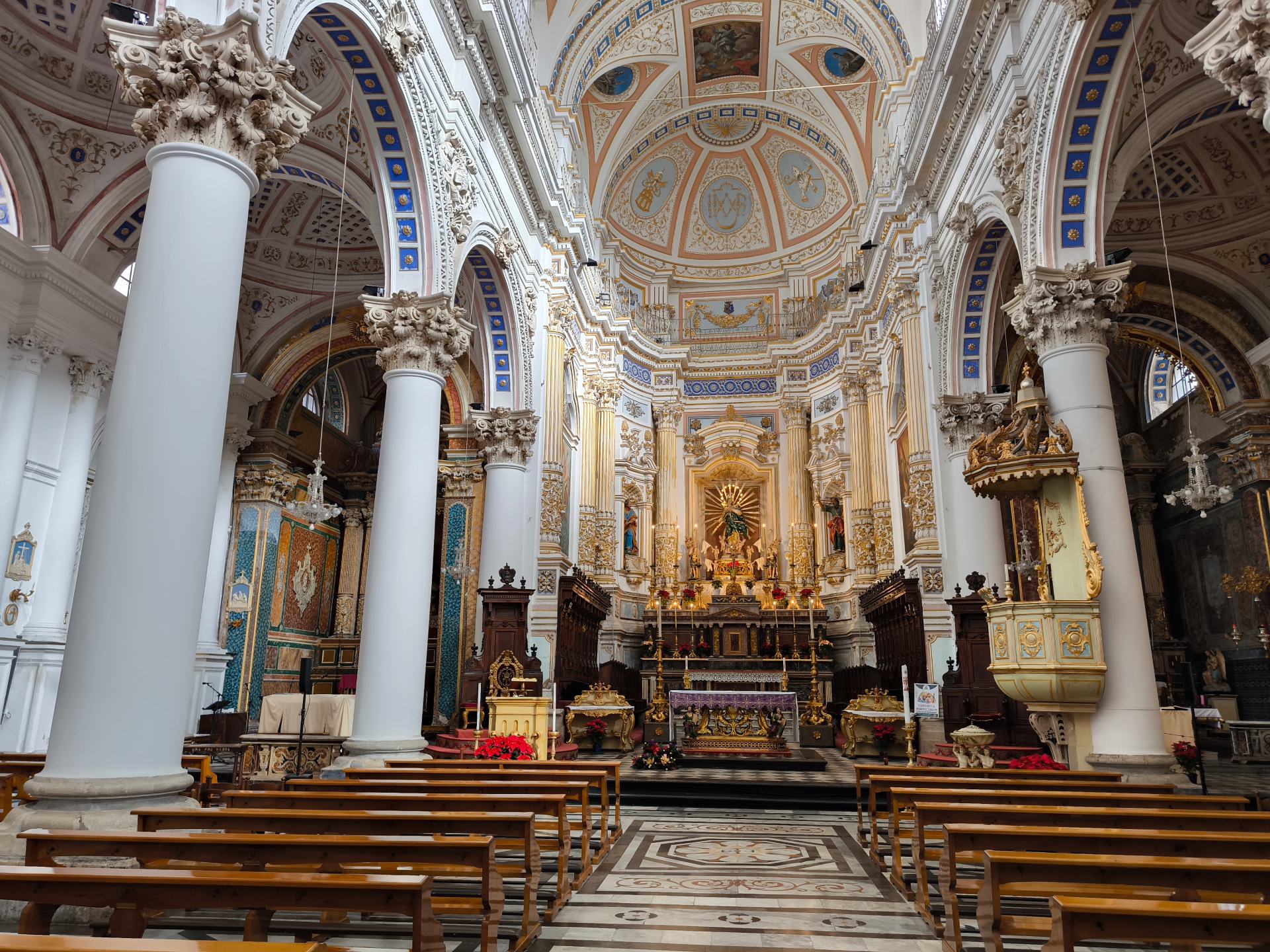
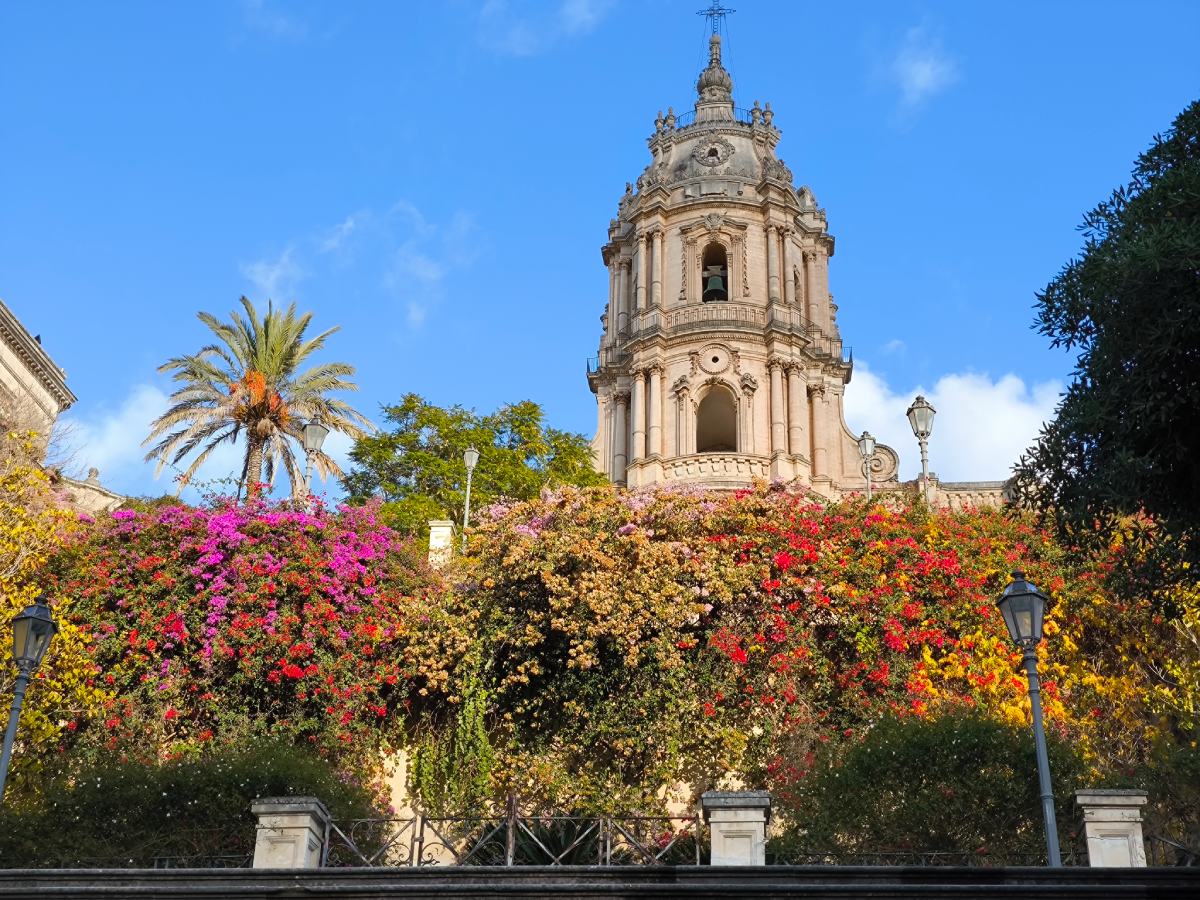
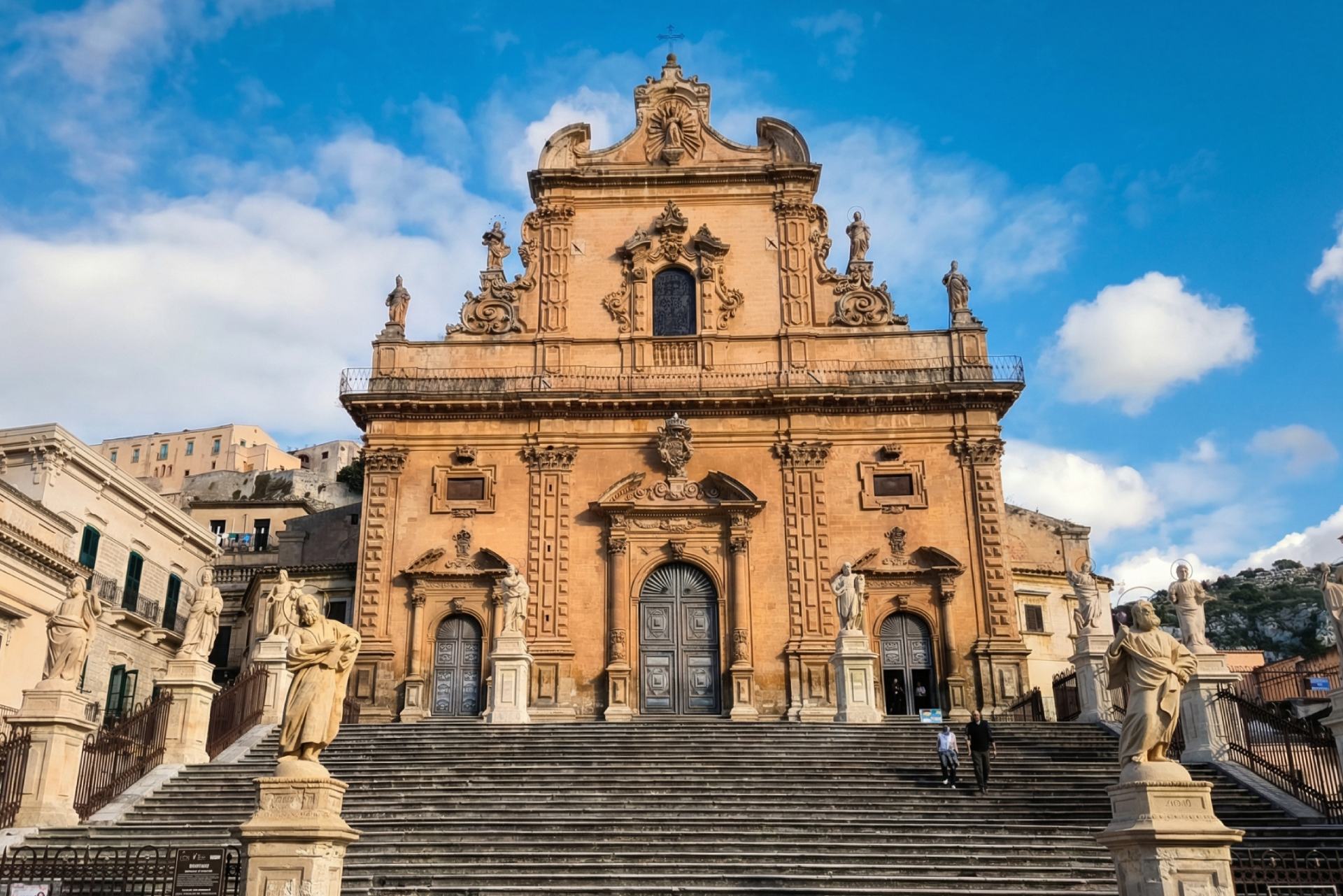
The pinnacle of the city’s architectural narrative is undoubtedly the Cathedral of San Giorgio. This structure is not just a church, but an absolute triumph of Sicilian Baroque. Its façade, rising above the city like a tower carved from stone, is a textbook example of vertical aspiration. The monumental staircase leading to the entrance offers a kind of spiritual and physical elevation, while the eye is guided upward by ornate sculptures and the dramatic play of chiaroscuro. Another defining landmark is the Cathedral of San Pietro in the lower town, its wide staircase guarded by life-sized statues of the apostles. The aesthetic dialogue between these two churches defines the sacred axis of the city.
Yet, the soul of Modica lies not only in its grandiose façades but in its intimate, whispered details. Those who venture away from the main thoroughfares can discover the secrets of rock-cut dwellings where layers of history become tangible. A hidden gem of this kind is the rock church of San Nicolo Inferiore, which preserves Byzantine-era remnants underground, reminding us that Modica was inhabited long before the splendor of the Baroque. The castle district, Castello dei Conti, with its fortifications and watchtowers, evokes remnants of medieval power, offering a panorama that reveals the city’s entire dramatic silhouette.
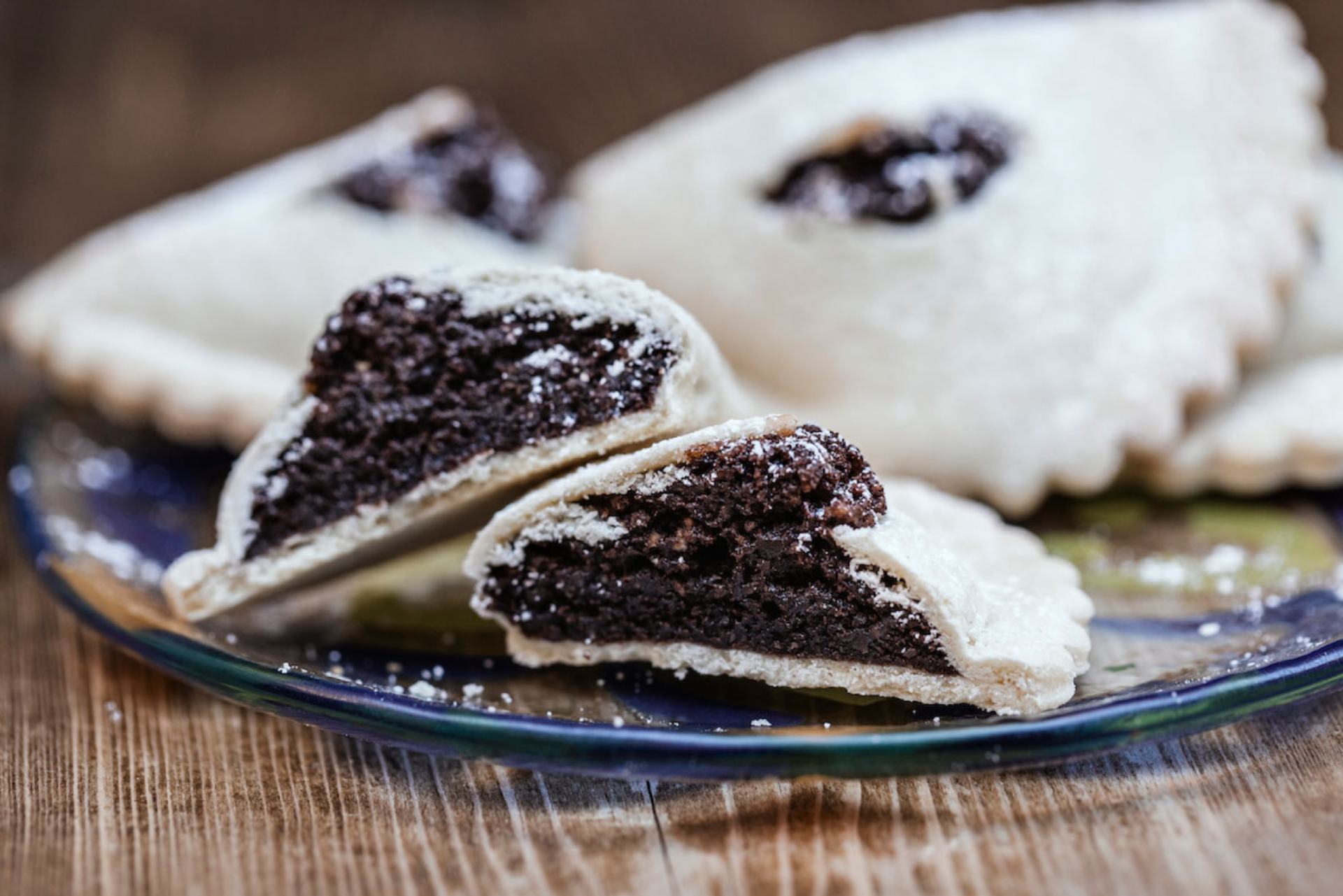
An essential part of the city’s cultural identity is its gastronomy, specifically the world-renowned Modica Chocolate. This product serves as a historical bridge between the New World and Sicily. Based on an Aztec recipe that arrived here during Spanish rule, the uniqueness of this sweet lies in its "cold processing." Because the cocoa mass is not heated to the melting point of sugar, the chocolate’s texture remains granular and crunchy, preserving the raw and intense power of the aromas. This artisanal tradition, now bearing the IGP (Protected Geographical Indication) seal, is the cornerstone of Modica’s multi-sensory experience. Beyond chocolate, one must taste the "'mpanatigghi" in local pastry shops—unique sweet biscuits filled with a blend of meat and chocolate, a testament to the city’s sophisticated and occasionally surprising culinary heritage.
For the traveler arriving from Noto, the journey itself is a part of the discovery. By car, this marvel is accessible in just 40 to 45 minutes, crossing the characteristic landscape of the Hyblaean Mountains, bordered by iconic dry-stone walls. Those who prefer a slower, more contemplative journey can opt for the train or bus services, though their schedules adhere to the Sicilian rhythm, allowing more time to submerge oneself in the scenery.
Modica is not a one-day stop; it is a place to get lost among the stairs, to wait for the twilight lights to bathe the limestone façades in gold, and to allow the city’s vertical rhythm to take control over time. Here, Baroque is not just an artistic movement, but a state of being that, drawing from the depths of the past, offers eternal beauty to the modern wanderer.
A Perfect Day-Trip Itinerary: Exploring Modica’s Dual Worlds
While Modica invites endless, aimless wandering, a well-curated day trip from Noto allows this vertical labyrinth to readily reveal its most profound secrets. Modica is not merely a city to be seen; it is an environment to be deciphered. Here is a meticulously crafted guide to experiencing a perfect, unhurried day in the "City of a Hundred Churches."
Morning: Hidden Rivers, Ancient Relics, and Aztec Heritage
Begin your morning in Modica Bassa (Lower Modica), the elegant canyon floor that dictates the rhythm of the city. As you stroll down the sophisticated Corso Umberto I, you are actually walking on water. Until a devastating flood in 1902, two rivers flowed directly through town. Today, this grand avenue is flanked by magnificent limestone palazzi and historic churches.
Walk until you reach the Duomo di San Pietro. Rebuilt after the 1693 earthquake, its sweeping staircase is guarded by life-sized statues of the twelve apostles. Just steps away from the main thoroughfare lies an astonishing secret: the Chiesa Rupestre di San Nicolò Inferiore. Completely lost to time, this 12th-century rock-hewn Byzantine church was accidentally discovered in 1987. Step inside to marvel at remarkably preserved frescoes of Christ Pantocrator.
For a mid-morning pause, seek out our absolute favorite spot for a coffee and a sweet: Casa Don Puglisi - La Bottega. This welcoming, wonderfully priced shop is not only the perfect place to grab a local snack, but it also operates as a social enterprise supporting local women and children, making your morning espresso an act of community grace.
Next, dive into the city's unique heritage. Stop by the Museo Civico "Franco Libero Belgiorno", where fascinating archaeological artifacts from the Hyblaean region sit alongside a dedicated Chocolate Museum. To taste that history firsthand, head to Antica Dolceria Bonajuto, the oldest chocolate factory in Sicily (founded in 1880). Here, chocolate is cold-processed using an ancient Mesoamerican method brought over by the Spanish in the 16th century, resulting in a unique, famously crunchy texture.
Tip: If the sheer verticality of the city feels daunting, this is the perfect time to catch the Trenino Barocco Modica. This charming tourist train weaves through the labyrinthine streets, offering a leisurely, panoramic overview of the staggering architecture without the steep physical exertion.
Lunch: The Tavern of Lost Flavors
For a mid-day pause, savor the ingenious culinary heritage of the Hyblaean Mountains. If you are seeking a deeply authentic and economical feast, look no further than Osteria dei Sapori Perduti (The Tavern of Lost Flavors). Here, you can enjoy rustic, soul-warming Sicilian dishes crafted exactly as a local nonna would make them.
Alternatively, grab a quick scaccia modicana (a delicate, multi-layered folded flatbread stuffed with local cheeses and tomatoes) from a bakery, or sit down at Radici for Michelin-starred contemporary plates, or Singola for an innovative plant-based experience. And for dessert, you must try an 'mpanatigghi—a half-moon pastry surprisingly filled with chocolate, almonds, and minced beef, famously invented by 16th-century nuns.
Afternoon: The Stairways to the Sky in Modica Alta
Embrace the physical elevation by beginning your climb into Modica Alta (Upper Modica). The ascent is a journey through time, winding through narrow alleys scented with wild jasmine. Literature enthusiasts should pause at the Museo Casa Natale Salvatore Quasimodo, the preserved childhood home of the 1959 Nobel Laureate in Literature.
The true reward of your ascent lies at the top of the monumental staircases: the Duomo di San Giorgio, the undisputed triumph of Sicilian Baroque. The approach itself—a staggering, theatrical staircase of 250 steps—was designed to make the church appear even more grandiose. Inside, look down at the floor to find a meticulously accurate analemmatic sundial from 1895, which still tells the exact noon hour via a ray of light piercing the ceiling.
Continue winding your way upward toward the ruins of the Castello dei Conti, the historic seat of power for the County of Modica, once known as a "Kingdom within the Kingdom." Next to it stands the 18th-century working Torre dell'Orologio (Clock Tower), offering sweeping views of the city’s dramatic, jagged silhouette.
Evening: Twilight at the Perfect Vantage Point
As the afternoon wanes, make your way to the Belvedere di San Benedetto (accessible via Via San Benedetto da Norcia). Have your camera ready, as this is undeniably the most scenic spot in all of Modica for capturing a photograph.
This is where you wait for the golden hour. As the fading sun casts long shadows, the glowing limestone façade of San Giorgio is bathed in a warm, theatrical gold, and the city begins to resemble a glittering presepe (a traditional Italian nativity scene).
Conclude your day trip by returning to the valley floor. Unwind with a glass of Cerasuolo di Vittoria (Sicily’s only DOCG wine) at Rappa Enoteca, or treat yourself to an extraordinary farewell dinner at the Michelin-starred Accursio Restaurant. Finally, step out into the cool evening air and begin the scenic, 45-minute drive back to the peaceful sanctuary of Casa Bandello in Noto, carrying the whispered secrets of Modica with you.
A quick note on parking
As is true for most of Italy’s ancient, labyrinthine towns, navigating the historic heart of Modica by car is a pursuit best left to the locals. The centro storico guards its beauty closely, often behind restricted traffic zones (ZTL) and along impossibly narrow, winding streets that can quickly disrupt the tranquil rhythm of your day—especially if you are driving a larger vehicle.
Instead, embrace the philosophy of slow travel. Do as we do and leave your car in the newer part of town, just a short, scenic stroll from the historical center. While there are several paid parking areas available, we prefer the ease of this free parking spot, allowing you to approach the city's baroque splendor on foot, exactly as it was meant to be discovered.