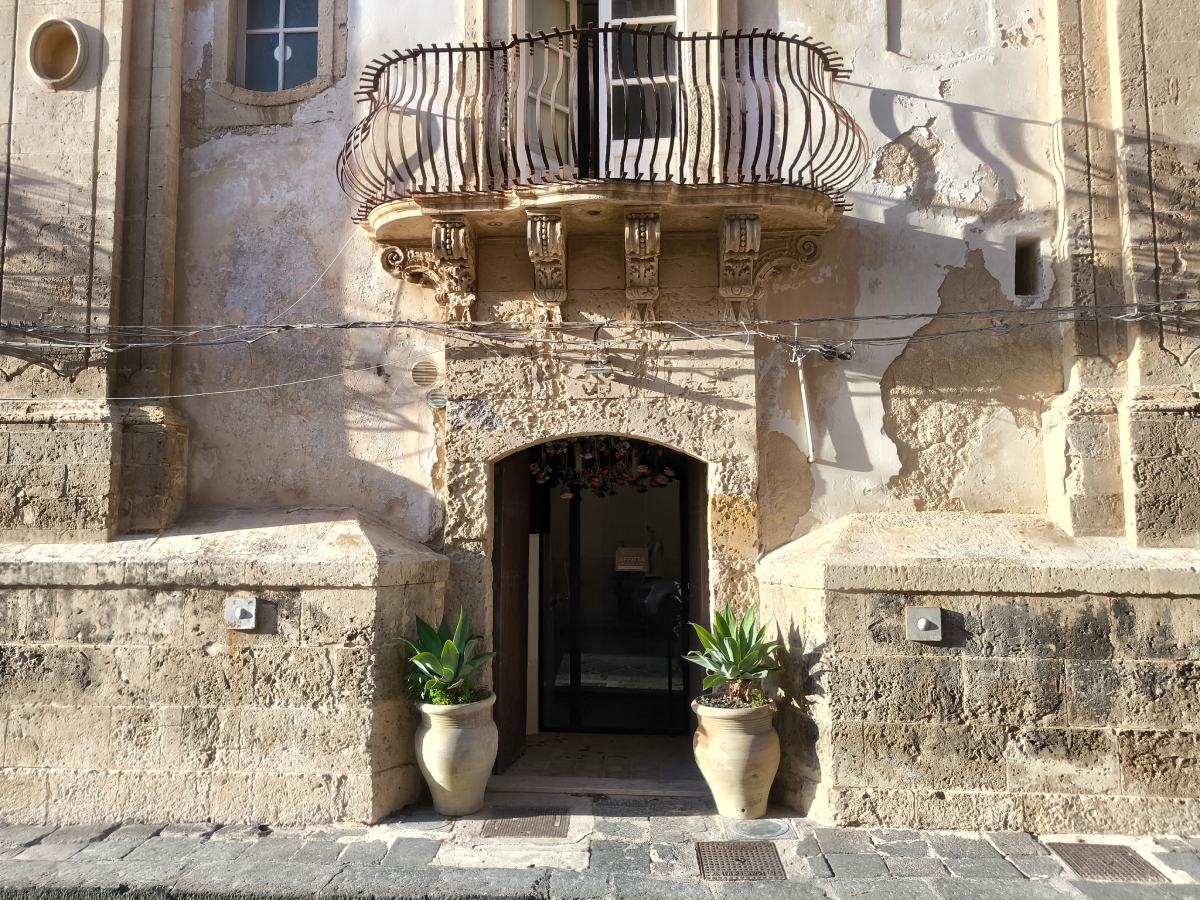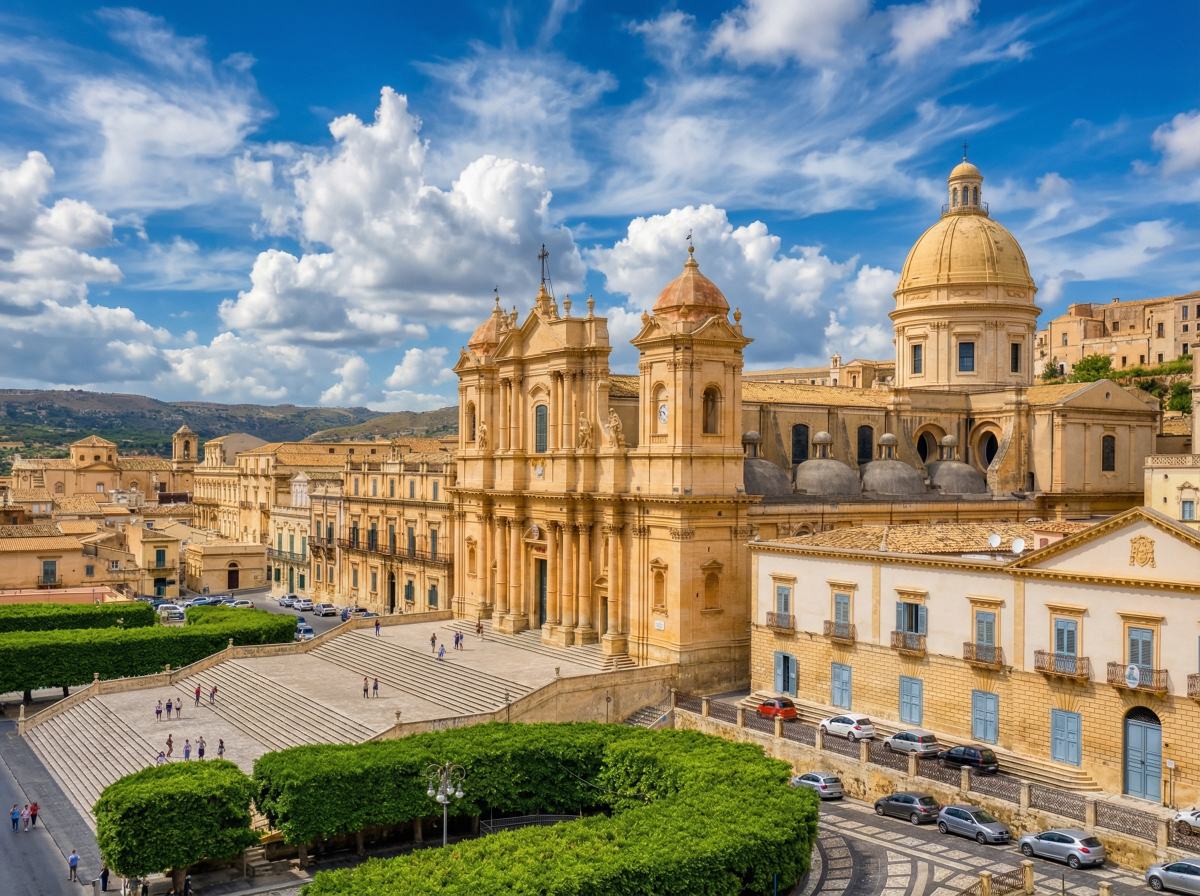
Noto is far more than a mere destination; it is a grand, open-air stage where stone and light exist in perpetual symbiosis. To truly comprehend the verticality and spirit of this location, one must look back to the year 1693, a date that served as the catalyst for the entire region's rebirth. The devastating earthquake that laid the Val di Noto to ruin was not a finality, but rather the genesis of an unparalleled architectural vision. The city we navigate today was erected eight kilometers from the original medieval ruins of Noto Antica, conceived as part of a deliberately planned, monumental blueprint. This intentional displacement allowed Noto to emerge as the purest manifestation of Late Baroque urbanism—a grid-like labyrinth where spaces and thoroughfares intertwine not by chance, but for theatrical impact.
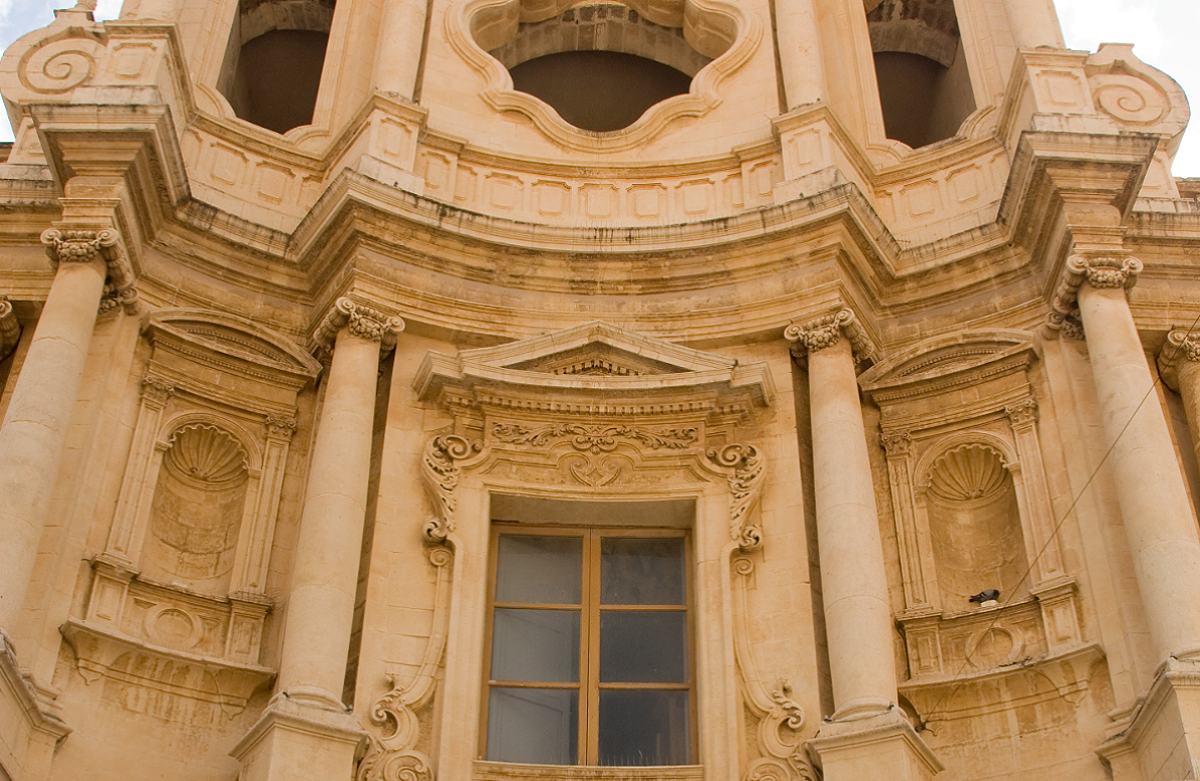
Integrated within the UNESCO World Heritage sites alongside seven other cities of the Val di Noto, the settlement is often interpreted through the metaphor of a "garden carved in stone." As the traveler crosses the threshold of the Porta Reale, they are immediately enveloped by the radiance of the soft, honey-hued limestone, which glows with an almost internal luminescence during sunset, as if the walls had inhaled the warmth of centuries. This limestone is the foundation of the city’s visual identity; its malleability permitted the exuberant ornamentation that defines the facades. Traversing the Corso Vittorio Emanuele, one’s perception of space constantly expands and contracts, as monumental staircases and soaring bell towers direct the gaze toward the celestial vault.
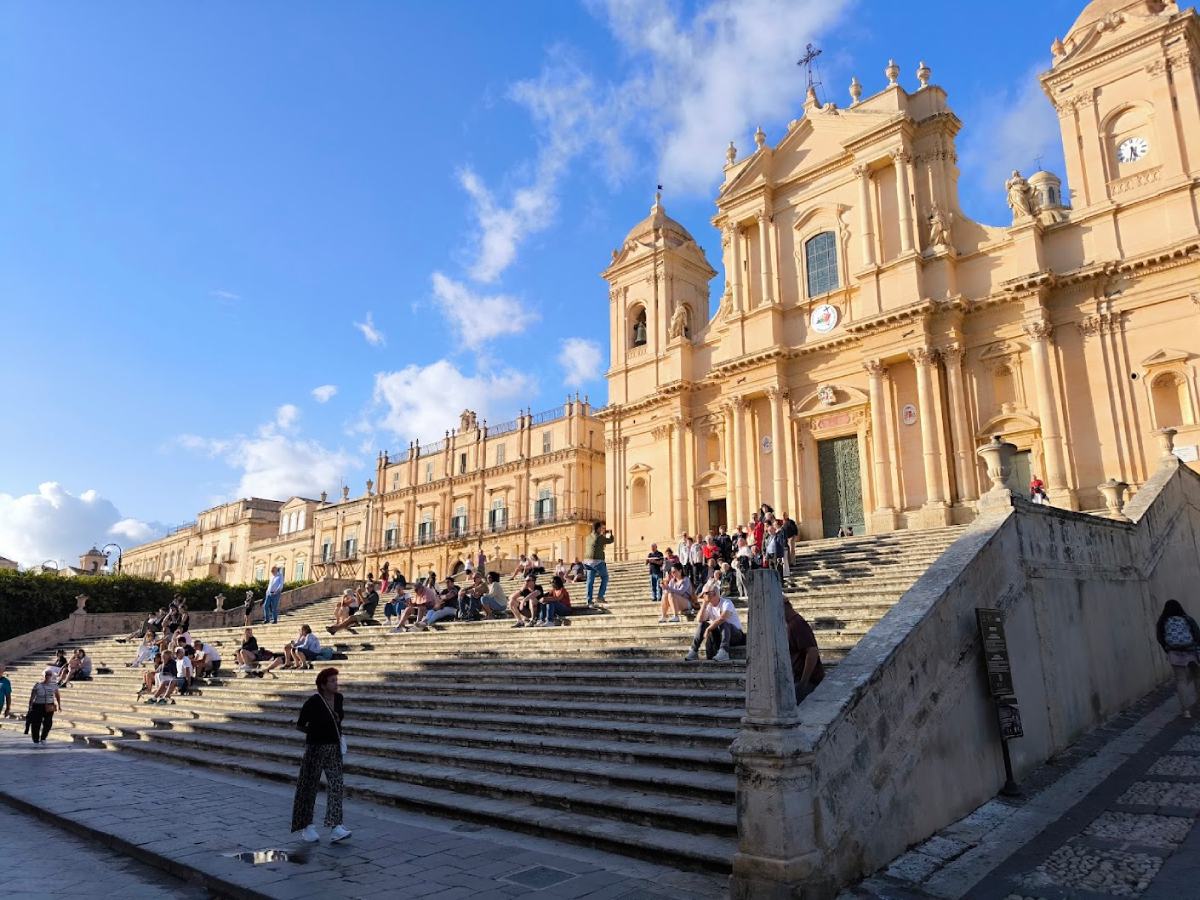
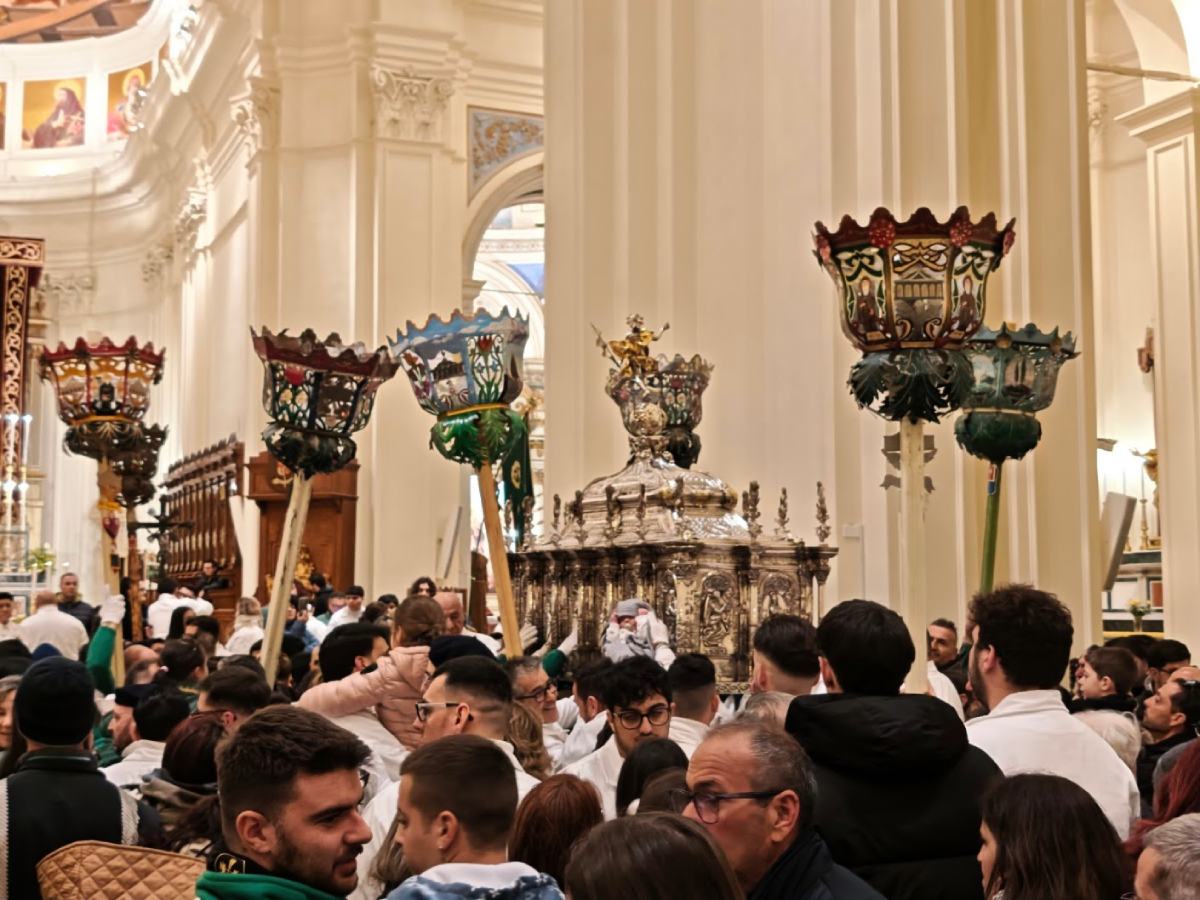
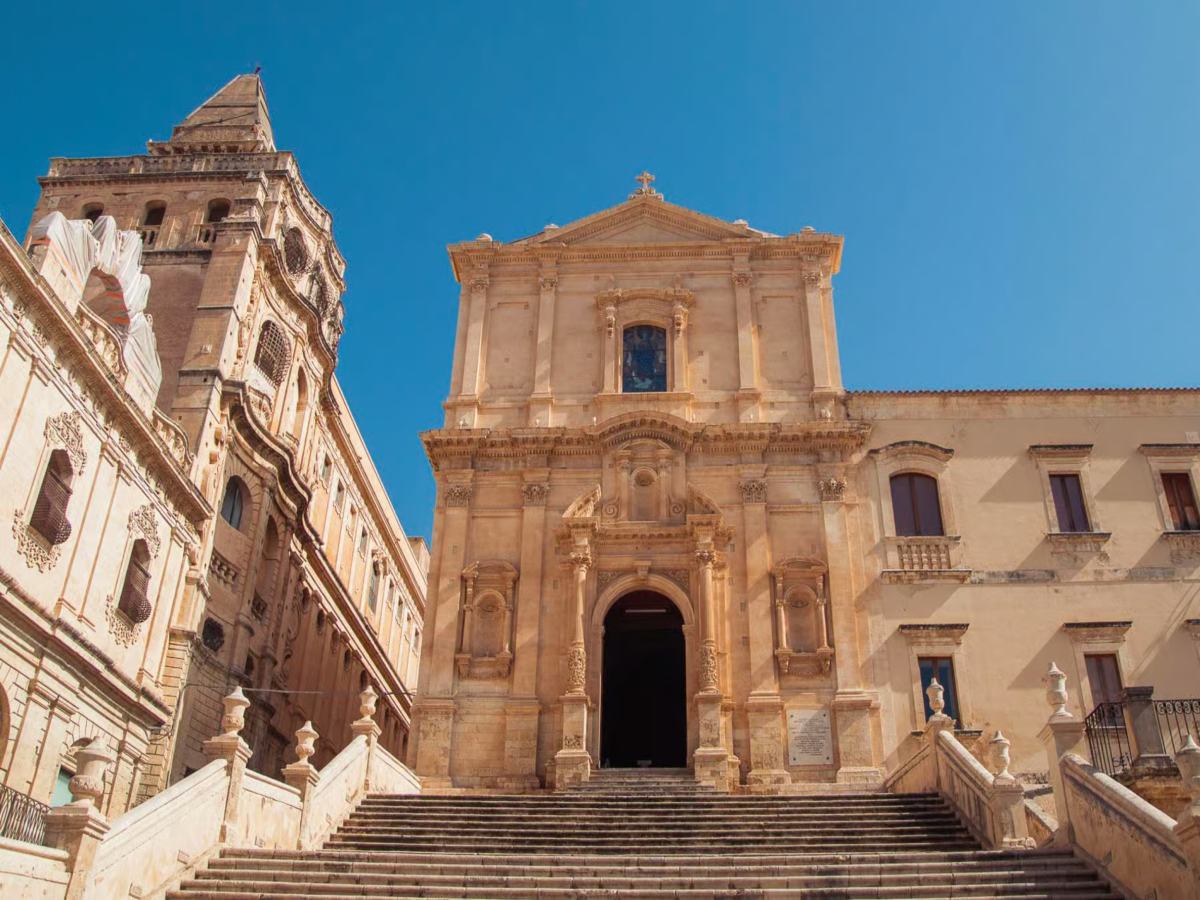
The Piazza Municipio serves as the city’s sacred and political axis, a spatial experience where the majestic mass of the San Nicolò Cathedral engages in a silent dialogue with the elegant curves of Palazzo Ducezio. Sitting upon the cathedral’s grand staircase, the individual ceases to be a mere observer and becomes an integral part of the urban fabric. Here, Baroque is not merely decoration but a sophisticated emotional language, utilizing the interplay of concave and convex surfaces to capture the essence of the infinite. The balconies of Palazzo Nicolaci di Villadorata, supported by grotesque figures, sirens, and griffins, represent the apotheosis of Sicilian craftsmanship, balancing on the thin line between the earthly and the mythological realms.
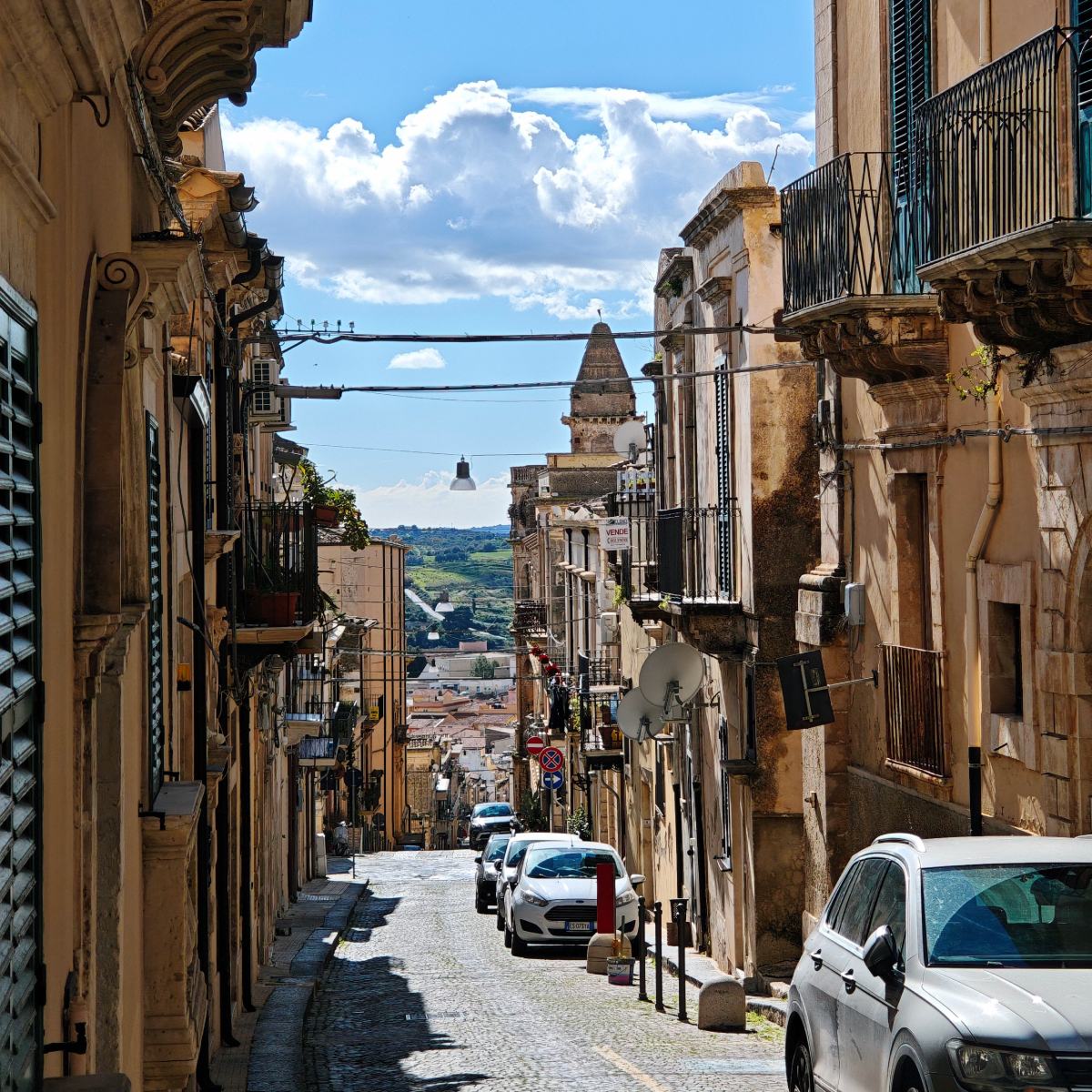
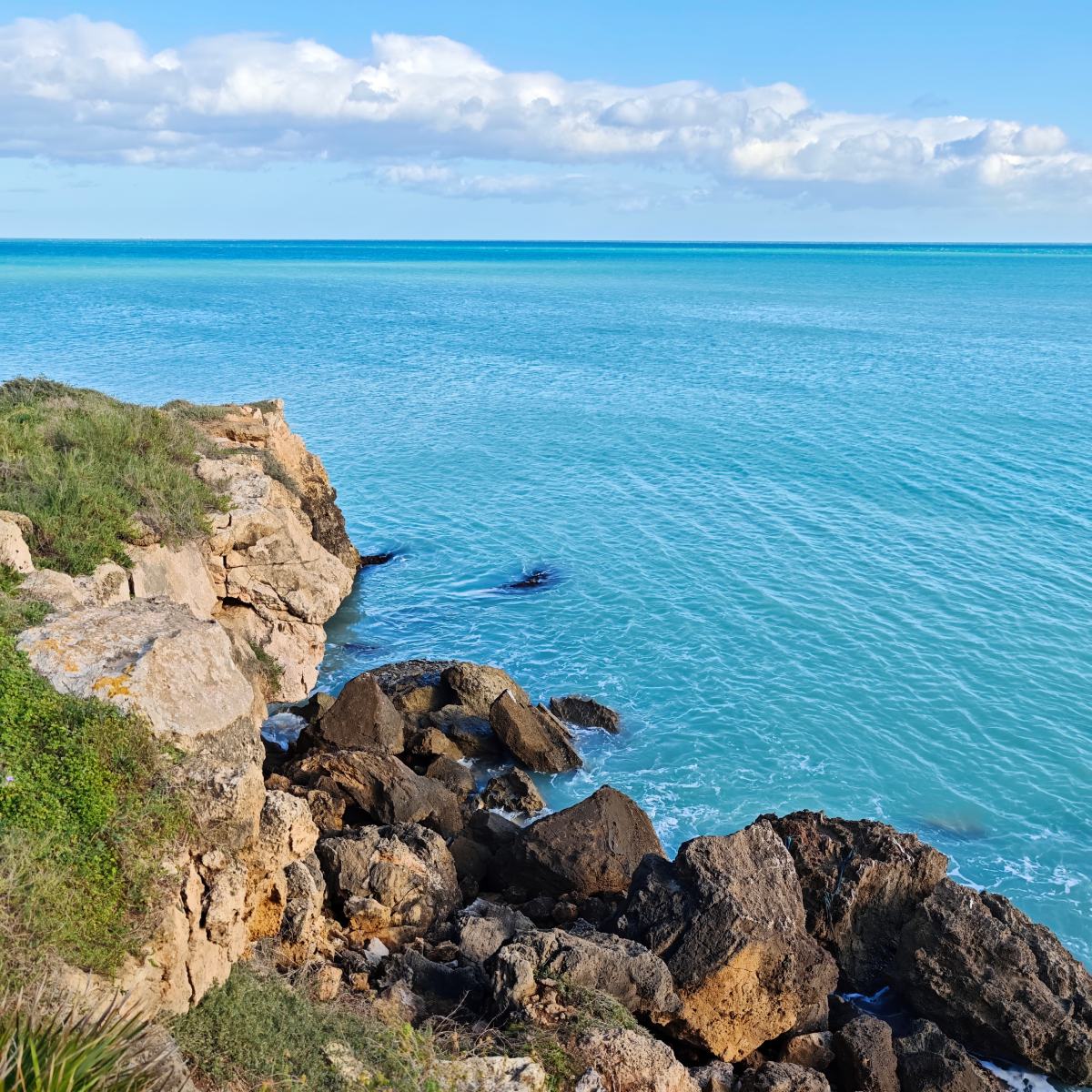
Yet, the true "soul" of Noto is discovered beyond the primary arteries, within the vertical labyrinth of its narrow side streets. Here, the visitor may stumble upon intimate spaces, such as the bell tower of the Church of San Carlo al Corso, offering a panorama where the city stretches out like a golden sea against the distant cerulean backdrop of the Ionian Sea. Gastronomic culture here is not merely sustenance but a vital component of local identity.
The fertile lands of the Val di Noto yield treasures such as the Noto almond, the cornerstone of the velvety granita di mandorla and delicate marzipan creations. Local wines, particularly the Nero d’Avola, whose roots delve deep into the nearby vineyards, carry the mineral narrative of volcanic and calcareous soils. Dining is a ritual: the scent of fresh ricotta, wild fennel, and the proximity of the sea manifest in a culinary art governed by the strict dictates of tradition and seasonality.
For the modern wanderer, Noto stands as the perfect epicenter for explorations throughout southeastern Sicily. By car, the city is easily accessible via the A18 motorway from Syracuse, a journey of approximately 35-40 minutes. Bus services (AST and Interbus) provide regular connections from Syracuse and Catania; while the travel time exceeds an hour, the scenic beauty compensates for the slower pace. The railway, though more nostalgic and leisurely, offers a unique perspective as it winds through citrus groves and ancient olive trees, where each stop feels like a gesture of respect toward the profound tranquility of the Sicilian landscape.
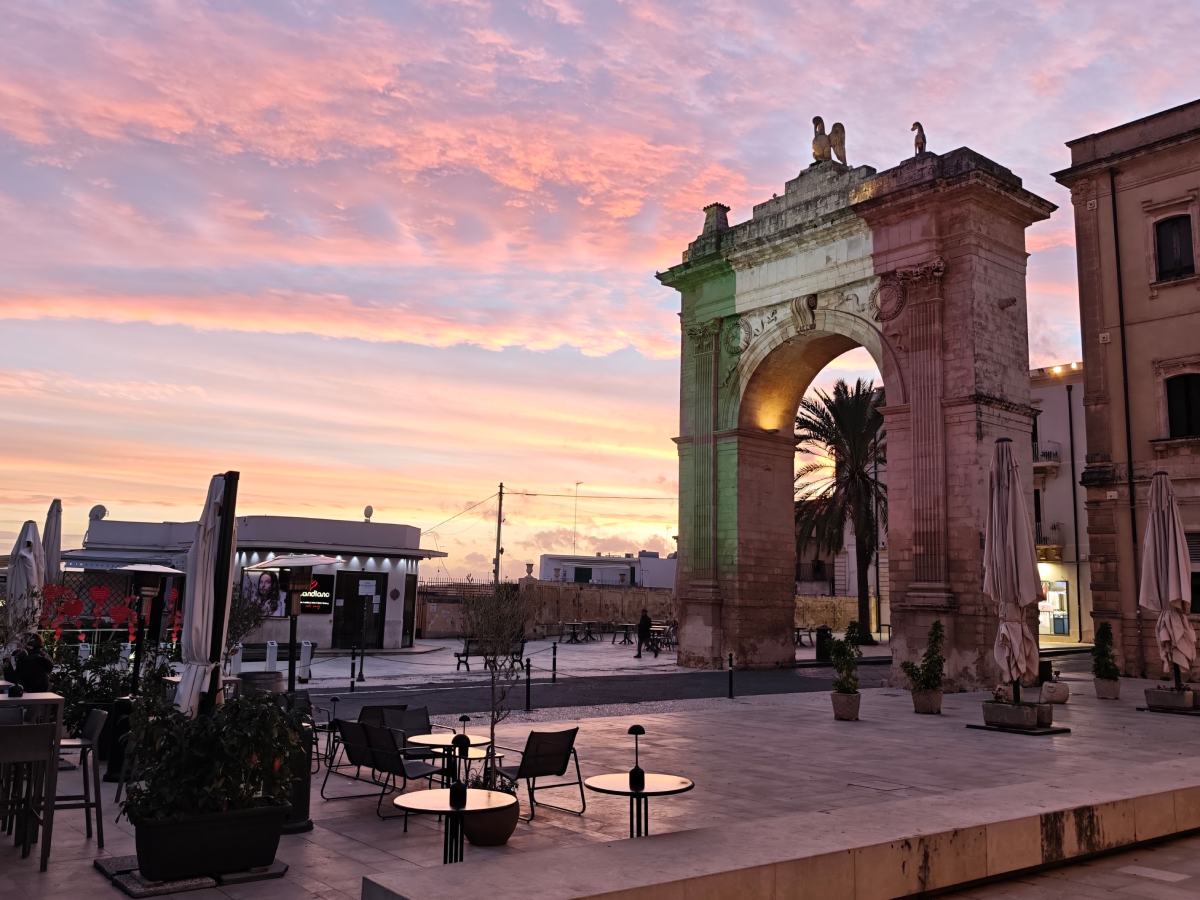
Beyond the typical tourist circuits, Noto reveals its complexity through its relationship with the surrounding Val di Noto territory. It is a catalyst for understanding a culture that refused to be buried by history, choosing instead to reinvent itself through beauty. Whether wandering through the ruins of Noto Antica to witness the skeletal remains of the former glory or indulging in the sensory storytelling of a local market, the visitor finds that time here is not something to be measured, but something to be felt through the texture of the stone and the depth of the shadows cast by the setting sun. This is a place of orientation and disorientation, a vertical labyrinth that invites one to lose themselves only to find a deeper connection to the Mediterranean spirit.