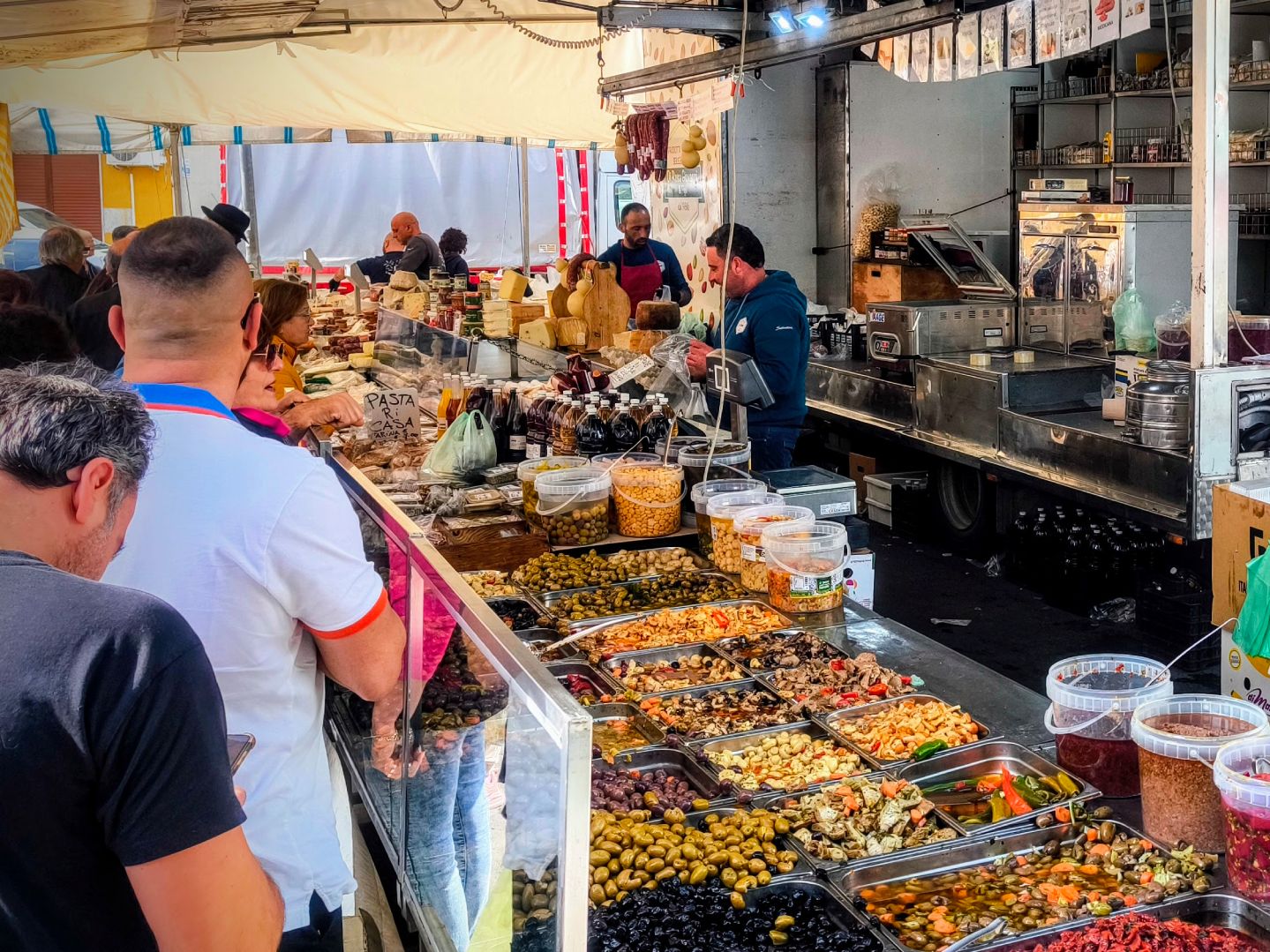
This is the weekly street market, or Mercato Settimanale, a place where the 4-star reviews from locals and travelers alike praise not just the prices, but the authentic "folklore" that fills the air.
As you approach the market area near Piazza San Sebastiano, the first thing that hits you is the sound. This is the home of the abbanniata—the ancient art of the market cry. Each vendor has a rhythmic, almost melodic chant used to announce the freshness of their fish or the sweetness of their tomatoes. For a visitor, it can feel overwhelming at first, but as you walk deeper into the rows of stalls, you realize it is the heartbeat of the town. This isn't a curated tourist market; it is a living, breathing social event where neighbors catch up on gossip over crates of wild fennel and local women expertly inspect the firmness of every eggplant.
The produce here is the real star of the show, often described by visitors as "farm-to-table in its purest form." Because Avola sits in a fertile plain between the mountains and the sea, the variety is staggering. You will find mounds of the famous "wrinkled" tomatoes, specifically grown for rich Sunday sauces, and citrus fruits so fragrant they perfume the entire street. Look specifically for the long, pale Sicilian zucchini and the bundles of wild herbs—oregano, rosemary, and bay leaves—that are dried in the Mediterranean sun. If you have a kitchen back in Noto, this is where you gather the ingredients for a meal that will taste better than anything you can find in a supermarket.
The proximity to the sea brings a specialized maritime energy to the market that you shouldn't miss. Given that the historic fishing village of Marzamemi is just a short drive down the coast, the Avola market serves as a primary outlet for its legendary preserved seafood. You will find stalls dedicated to the intense flavors of salted tuna, bottarga, and high-quality baccalà (dried cod), which has been a staple of the Sicilian diet for centuries. Alongside these preserved treasures, the fresh fish vendors display the morning's catch on beds of crushed ice, ranging from shimmering silver bream to local swordfish. If you prefer your protein prepared on the spot, follow the savory aroma of roasting herbs to the chicken rotisserie stalls, where golden-brown birds spin over open flames, providing an easy and delicious lunch for a picnic later in the day.
For the more adventurous palate, the market offers a look into the hyper-local culinary traditions of the Hyblaean region. You will encounter specialized vendors selling live snails, a local delicacy often prepared with tomato and garlic, which are a true mark of an authentic provincial market. Nearby, local producers set up fragrant displays of hand-mixed spices and dried herbs, offering jars of peperoncino blends and sea salt harvested from the nearby pans of Pachino. These stalls are a sensory delight, piled high with colorful powders and aromatic seeds that represent the diverse cultural influences—from Arabic to Spanish—that have shaped Sicilian cooking over the millennia.
Of course, no trip to Avola would be complete without seeking out its most famous export: the Pizzuta d’Avola almond. In the market, you can find these directly from the producers. Unlike the generic almonds found elsewhere, the Pizzuta is flat, elegant, and possesses a delicate fragrance that makes it the gold standard for Sicilian pastry. You will see them sold in large burlap sacks, either raw, roasted, or encased in a crunchy sugar coating. They are lightweight, travel well, and serve as a much more authentic souvenir than a mass-produced magnet. Pair them with a bottle of Nero d’Avola wine from a local shop, and you have the quintessential taste of the region.
Beyond the food, the market offers a chaotic but charming assortment of household goods and textiles. Reviewers often highlight the "unbeatable prices" on everything from hand-carved olive wood utensils to colorful ceramic spoon rests. You might find yourself digging through a pile of Italian leather shoes or browsing through stalls of vibrant summer dresses and straw bags—perfect for your next trip to the nearby Lido di Avola. It is a place of discovery where the joy is in the hunt, and the reward is a genuine piece of Sicilian life at a fraction of the cost of the boutiques in the city centers.
To make the most of your visit, timing and etiquette are key. The market is at its most vibrant between 8:30 AM and 10:30 AM. By noon, the energy begins to dip as vendors prepare for their midday siesta. While the atmosphere is friendly, remember that this is a local workplace; bring small bills and coins for the smaller produce stalls, though you will find that credit cards are increasingly accepted at the larger clothing and specialty food vendors. Don't be afraid to ask, "Posso assaggiare?" (May I taste?) when browsing the cheese stalls. Many vendors are immensely proud of their Ragusano DOP or fresh ricotta salata and will be more than happy to let you sample their craft before you buy.
After the whirlwind of the market, take a moment to decompress at a nearby cafe. Order a lemon granita or a brioche with gelato and watch the vendors begin to pack away their treasures. As you drive back up the hill to Noto with your car smelling of fresh basil and sun-warmed almonds, you’ll realize that you haven't just gone shopping—you've participated in a tradition that has remained unchanged for generations. It is this raw, unpolished beauty that makes the Avola Saturday market an essential chapter in your Sicilian story.